Mattress toppers are thin, removable layers placed atop a mattress to enhance comfort, support, and temperature regulation. They can extend the life of a mattress by providing an additional contouring layer that distributes weight more evenly. For sleepers using electric adjustable beds, toppers can improve adaptability to different positions and sleeping preferences. Common materials include memory foam, latex, and breathable fills that promote airflow and reduce heat retention.
The Hypodown® Bed is a notable topper designed to elevate full-body comfort while maintaining breathability. It combines lightweight construction with responsive support, allowing the sleeper to experience pressure relief in key zones such as the shoulders, hips, and lower back. Its material composition emphasizes moisture management and a balanced feel across various firmness preferences.
Key features of mattress toppers for adjustable beds include zoning, conforming properties, and temperature control. Hypodown® Bed, for example, is designed to adapt to multiple incline angles without creating pressure points, supporting seamless transitions between upright and reclining positions. The topper’s breathability helps regulate microclimates around the torso and extremities.
Uses for mattress toppers span performance enhancement, allergy considerations, and sleep hygiene. A topper can reduce motion transfer, provide a hypoallergenic surface, and offer an easily removable cover for cleaning. When selecting a topper, consider thickness, density, and material—lighter options prioritize airflow, while denser options emphasize support and durability.
In bedding ecosystems, latex mattress toppers are valued for resilience and natural antimicrobial properties, contributing to long-term comfort. Pairing a topper with latex pillows or other bedding components can optimize support alignment for spinal posture, neck comfort, and shoulder relief. Understanding how toppers interact with adjustable bed frameworks informs better matching of materials and sleep preferences.
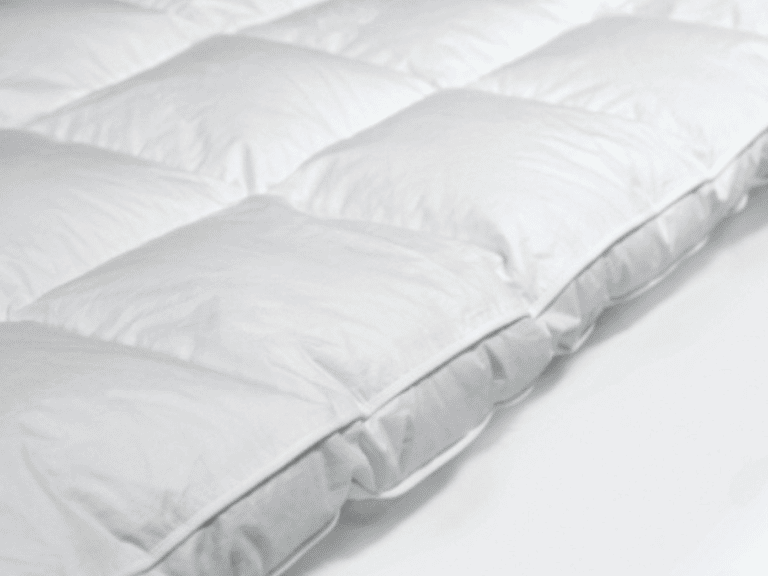 Mattress Toppers