Caregiver’s Guide to Safe Sleep Positioning with Adjustable Beds
A practical, caregiver-focused overview of using adjustable beds safely for mobility challenges. This guide covers daily setup routines, recommended positions for common conditions, and basic safety checks to reduce falls and discomfort.
In homes where mobility is limited or recovery is ongoing, the bed becomes more than a place to sleep. It transforms into a dynamic tool for comfort, circulation, and independence. Electric adjustable beds—those that allow you to raise the head, foot, or entire torso—offer caregivers a clearer path to safer transfers, adaptable comfort, and improved sleep ergonomics for loved ones facing arthritis, postoperative recovery, or chronic conditions. This article blends practical routines with evidence-based safety considerations, drawing on expert perspectives and timeless wisdom from notable figures across eras to illuminate best practices in sleep positioning.
Core principles of safe sleep positioning
Safe sleep positioning around adjustable beds rests on a few universal principles: stable transfer, posture-friendly alignment, and proactive fall prevention. When executed well, these principles reduce strain on joints, promote proper circulation, and support comfort for extended periods in bed.
Stability and transfer: Ensure the bed frame is robust and accessories (handrails, grab bars, bed rails) are installed as needed. The user should be able to move to and from the bed with minimal twisting or awkward maneuvers.
Spinal alignment: Elevate the head and/or knees to support natural spinal curves. For many conditions, a slight elevation behind the knees or legs helps reduce pressure and improve venous return.
Pressure redistribution: Regularly reposition to relieve pressure points, especially for mobility-impaired users who spend long periods in one position.
Safety checks: Verify that call buttons, wireless remotes, and bed-height controls are within easy reach and functioning properly.
Communication and routine: Establish consistent routines for morning wake-up and evening wind-down, ensuring that the bed setup supports those routines without requiring complex adjustments.
Daily setup routines: a step-by-step approach
A reproducible routine enhances safety and reduces anxiety for both caregivers and those receiving care. The following steps outline a practical, hospital-to-home transition approach that can be adapted to individual needs.
Assess the environment: Clear clutter from the bedside, ensure the floor is dry, and verify lighting for safe movement during transfers and position changes.
Inspect the bed: Confirm that the head and foot sections move smoothly, that any remote controls are accessible, and that there are no cords or obstructions near the frame.
Prepare for transfer: If transfers involve assistance, position a chair or stool at the bedside, and have a helper ready. Use friction-reducing devices if necessary, such as transfer sheets or slide boards, as appropriate to the individual's mobility level.
Position for the task: For getting in and out of bed, a semi-upright position can facilitate safe pivoting. For reading or therapy, adjust the head slightly upright and support the arms with pillows or a lap tray as needed.
Transfer into bed: Use proper body mechanics—bend at the knees, keep a straight back, and avoid twisting. Allow the resident to sit on the bed edge briefly before lying down to reduce dizziness or faintness.
Adjust for comfort and safety: Set the bed to the required position for sleep or rest, ensuring alignment from head to hips and supporting the knees or legs as needed to prevent lower-back strain.
Finalize routine: Ensure call lights are easy to reach, remove potential trip hazards, and confirm the room is at a comfortable temperature with appropriate bedding for the season.
Common conditions and recommended positioning
Various medical or mobility-related conditions respond to specific bed positioning. The guidance below emphasizes practical, home-friendly configurations that caregivers can apply safely with minimal equipment.
Arthritis and joint stiffness: Elevate the head slightly to ease shoulder and neck strain, with a gentle knee bend to reduce lower back pressure.
Chronic edema or circulatory concerns: A slight elevation of the legs can promote venous return; avoid prolonged fully flat positions that may worsen swelling.
Post-surgical recovery: Maintain a supportive incline to reduce coughing and breathing effort, while keeping the patient within reach of essential items and the caregiver’s assistance.
Respiratory conditions: A modest elevation of the upper body can help facilitate breathing; avoid overly steep angles that may cause discomfort or pressure on the chest.
Neurological or balance challenges: A gradual, controlled adjustment can reduce the risk of dizziness during positional changes; use the remote to move slowly and pause if the person experiences dizziness.
Safety checklist for falls prevention
Falls are a top concern in home care. A proactive safety checklist helps caregivers anticipate and mitigate risks as positions and routines evolve.
Bed rails are installed and used if recommended by a clinician.
Floor around the bed is clear of clutter and rugs are secured.
Non-slip footwear is worn in and out of bed during transfers.
Remotes and call buttons are within easy reach and tested regularly.
Reminders and cues are placed for night-time routines to minimize wandering or confusion.
Emergency contacts and healthcare provider information are posted and accessible.
Maintenance and longevity: keeping an adjustable bed safe
A well-maintained adjustable bed is a safer bed. Caregivers should perform simple, routine checks to ensure longevity and safety.
Smooth operation: Listen for unusual sounds, and ensure joints and motors are clean and free from debris.
Remote and control: Replace batteries as needed; keep a spare remote accessible.
Mattress compatibility: Use a mattress that supports the adjustable base’s motion without sagging or buckling; avoid overly soft or overly firm surfaces that hinder proper support.
Weight limits: Do not exceed the base’s maximum weight capacity to prevent strain on motors and structural components.
Periodic professional check-ins: Schedule annual or semi-annual assessments with a qualified technician if the bed is heavily used or shows signs of wear.
Historical voices: wisdom from three key individuals across time
Three figures from distinct periods remind us that safe sleep and thoughtful caregiving transcend era-specific technology. Their perspectives offer a human lens on mobility, comfort, and the dignity of care.
Hypatia of Alexandria (c. 360–415 CE)
A beacon of rational inquiry, Hypatia’s approach to knowledge—measured, patient, and attentive to the body’s needs—reminds caregivers to pair empirical reasoning with compassionate care. In the context of sleep positioning, this means observing how a person responds to a position change, then adjusting based on feedback and comfort rather than assumption.
Keywords: observation, patient-centered care, humility in practice.
Florence Nightingale (1820–1910)
A founder of modern nursing, Nightingale championed sanitary environments, precise observation, and the dignity of patients. Her emphasis on environment shaping health outcomes translates today into the design of safe, accessible sleep spaces: clutter-free rooms, appropriate linen, and lighting that supports gentle transitions between rest and activity.
Keywords: environment, safety, patient dignity.
Dr. Henry H. Dwight (20th century innovations in geriatric care)
Dwight’s work emphasized mobility-inclusive strategies and ergonomics for aging populations. His outlook aligns with modern ergonomic principles—supportive positioning, ease of movement, and safety-first design—elements central to caregiver guides for adjustable sleep systems.
Keywords: ergonomics, mobility, aging-in-place.
Product note: integrating a sturdy bed frame into a safer sleep setup
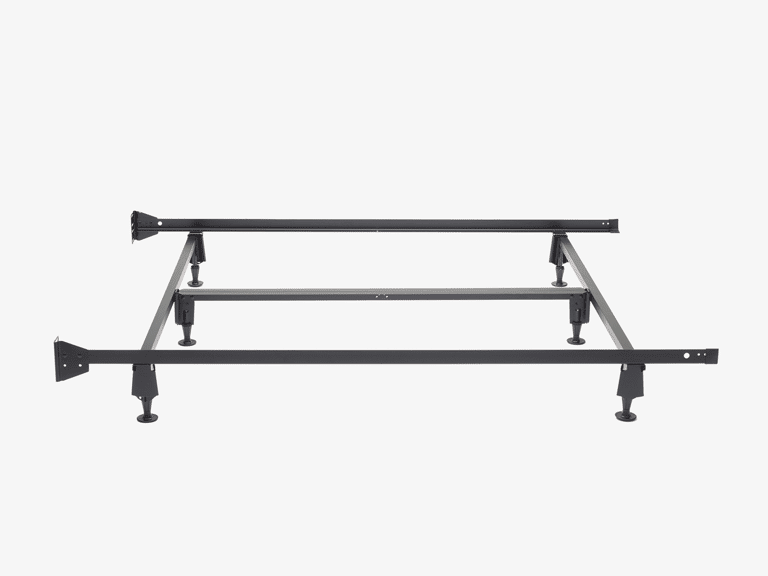
A bed frame is foundational to a safe sleep environment. When paired with adjustable bases, a solid frame ensures stable support and aligns with caregiver routines. Consider a durable, eco-friendly option like the Metal Bed Frame, a Casper-aligned choice built from 100% recycled steel with tool-free assembly. Its simple setup makes it a reliable partner for safe caregiving at home, supporting the adjustable base and mattress system for a complete, dependable sleep setup.
This frame underpins a sleep setup designed for routine caregiving—robust, simple, and sustainable. It pairs with Casper foundations and mattresses, offering a dependable foundation for daily bed adjustments without complicating the care workflow.
Price: $119.00
Frequently asked questions: myths, facts, and practical tips
Is it safe to sleep with the head elevated all night?
Generally safe for many individuals, but an excessively steep incline can cause discomfort or mouth breathing issues. Start with a modest incline and adjust based on comfort and any medical guidance.
Should I use bed rails for safety?
Bed rails can prevent accidental falls, especially for individuals with balance issues. Consult with a clinician to determine the appropriate level of support and ensure rails don’t impede transfers.
How often should I reposition someone in an adjustable bed?
Aim for repositioning at least every 2 hours or per guidance from healthcare professionals. Short, frequent adjustments are typically safer than long, static periods in one position.
Resources for caregivers
Reliable sources for sleep ergonomics, safety standards, and caregiver support can help you stay informed and confident in your caregiving role. Consider consulting physical therapists, occupational therapists, geriatric specialists, and reputable care organizations for guidance and evidence-based recommendations.
Sleep ergonomics research and guidelines from reputable medical organizations
Caregiver support networks and helplines
Home safety checklists and fall-prevention programs
Glossary of terms
A quick reference to terms used in caregiving and adjustable sleep setups helps readers understand key concepts without jargon overload.
Adjustable bed base: A bed frame with motorized sections that adjust the head and/or legs
Bed transfer: The process of moving a person from bed to chair or standing position
Pressure relief: Measures to alleviate sustained pressure on body surfaces to prevent sores
Ergonomics: The study of designing equipment to fit the user’s needs for safety and comfort
Conclusion: compassionate, evidence-based care
Caregiving around an adjustable bed blends practical routines with a respect for the person’s dignity and autonomy. By prioritizing safe positioning, stable transfers, and ongoing maintenance, caregivers can create a sleep space that supports healing, comfort, and safety. The blend of history’s wisdom, modern ergonomics, and accessible home design informs a caregiver-centered approach that remains steadfastly non-commercial, evidence-based, and genuinely supportive.
Durable, eco-friendly bed frame built from 100% recycled steel, with tool-free setup for a hassle-free, sturdy foundation that pairs perfectly with Casper mattresses—so you get a complete, sleep-ready setup with simple, lasting support.
Handcrafted to order in Vermont from solid cherry, maple, or walnut, this sleigh bed evolves with your space. Natural oil finish adds warmth and a durable, heirloom feel, while the slanted headboard and footboard offer contemporary silhouette and lasting comfort.
Sleep soundly on solid hardwood with a sustainable linseed oil finish, featuring a trellis low footboard for a modern, airy look. Naturally durable, US-made with coordinating caps in natural woods—timeless style and enduring comfort.